
Our Blogs
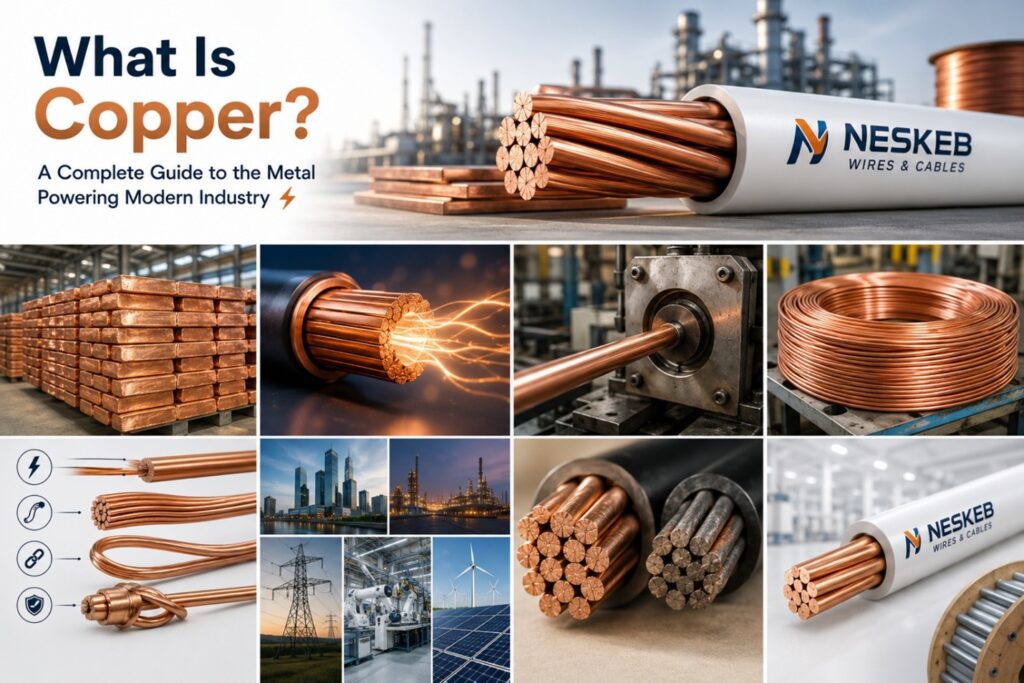
What is Copper? A Complete Guide to the Metal Powering Modern Industry ⚡
Copper is everywhere in your life—yet you might never see it. 🔌 It’s running through the walls of your home, carrying electricity to your appliances. It’s in your smartphone, your car’s wiring, and the massive cables transmitting power across continents.
But what exactly is copper? And why is this reddish metal so critical to modern industry?
In this guide, we’ll break down everything you need to know about copper in simple terms, with practical examples that make sense.
## What is Copper? 🤔
**Copper is a chemical element** (symbol: Cu) found on the periodic table as atomic number 29. But forget the chemistry class definition—think of it this way:
Imagine a metal that conducts electricity like a highway conducts traffic, conducts heat like a cooking pan, and yet stays durable through years of use. That’s copper.
Copper is a **naturally occurring metal** extracted from the earth as ore. Once mined and refined, it becomes one of the most versatile materials in the world.
## Key Properties of Copper 💎
Copper has superpowers that make it irreplaceable in industry. Here’s why:
### ✅ Excellent Electrical Conductor
Copper conducts electricity better than almost every metal except silver (which is too expensive for most applications). Think of it as the fastest highway for electrical current to travel.
This is why **99% of electrical cables and power transmission lines use copper**.
### ✅ Superior Heat Conductor
Copper transfers heat efficiently, making it ideal for cooling systems, heat exchangers, and industrial equipment. It distributes warmth evenly, like spreading butter on toast.
### ✅ Highly Corrosion Resistant
Unlike iron (which rusts), copper develops a protective green layer called patina over time. This layer **shields the metal underneath**, making it perfect for outdoor installations, marine applications, and long-term durability.
### ✅ Malleable and Ductile
Copper can be bent, drawn, and shaped without breaking—yet it stays strong. This is why it works perfectly in cables, wires, and complex industrial systems.
### ✅ Fully Recyclable
Copper can be recycled infinitely without losing quality. Today’s recycled copper performs just as well as virgin copper, making it an **eco-friendly choice**.
—
## Where is Copper Found? 🌍
Copper doesn’t exist in pure form in nature. It’s mined as **copper ore** from deep underground. The largest copper reserves are in:
– **Chile** (world’s #1 producer)
– **Peru**
– **China**
– **United States**
– **Democratic Republic of Congo**
Once extracted, the ore undergoes refinement to produce pure copper that meets industrial standards.
—
## Types of Copper ⚙️
Not all copper is the same. Different grades serve different purposes:
### Pure Copper (99.9%)
The highest purity, used in electrical wiring and power cables where conductivity is critical.
### Copper Alloys
Copper mixed with other metals to enhance specific properties:
– **Brass** (copper + zinc) = harder, better for decorative items
– **Bronze** (copper + tin) = stronger, used in bushings and bearings
– **Cupro-nickel** (copper + nickel) = ultra-corrosion resistant, used in marine applications
For electrical and power transmission purposes, **pure copper** is almost always the choice.
—
## Why is Copper Critical for Cables? 🔌
Here’s the real value of copper for the electrical industry:
### Power Transmission ⚡
High-voltage power cables use copper conductors to transmit electricity from power plants to homes and industries with **minimal energy loss**.
### Building Wiring 🏢
Copper wiring in walls safely carries electrical current throughout buildings. Its durability means it lasts 50+ years without degradation.
### Industrial Equipment ⚙️
Motors, generators, transformers, and control systems depend on copper conductors for reliable performance.
### Renewable Energy 🌞
Solar panels and wind turbines use copper extensively in their electrical systems. As the world shifts to clean energy, copper demand is **rising dramatically**.
—
## The Benefits of Copper Cables 🎯
If you’re choosing between copper and aluminum cables for industrial applications, here’s what you gain with copper:
- **Higher Efficiency** 📈
– Less energy loss during transmission = lower electricity bills
- **Better Safety** 🛡️
– Consistent performance reduces fire hazards and equipment failure
- **Longer Lifespan** ⏰
– Lasts 50+ years without replacement
- **Smaller Diameter** 📏
– Copper carries more current in a thinner cable, saving space and installation costs
- **Reliable Performance** ✅
– Consistent conductivity across temperature ranges
- **Eco-Friendly Choice** 🌱
– Fully recyclable and supports circular economy
—
## Global Copper Market 📊
The copper industry is booming:
– **Annual production**: ~20 million metric tons worldwide
– **Primary demand**: Electrical equipment & power transmission (40%)
– **Growing sectors**: Solar energy, electric vehicles, and renewable infrastructure
– **Market trend**: Steady increase as industries electrify and modernize
Industries are increasingly choosing copper-based solutions as they upgrade to smarter, more efficient electrical systems.
—
## Copper and Sustainability 🌍
Copper is one of the **most sustainable metals** available:
✅ **100% Recyclable** – Copper never degrades, even after multiple recycling cycles
✅ **Energy Efficient** – Using copper reduces electricity losses, lowering overall energy consumption
✅ **Supports Clean Energy** – Copper is essential for solar, wind, and electric vehicle technologies
✅ **Proven Durability** – Long-lasting copper cables mean fewer replacements and less waste
—
## Conclusion: Why Copper Matters 🔌
Copper isn’t just another metal—it’s **the backbone of modern infrastructure**. From the moment electricity is generated until it reaches your equipment, copper is working behind the scenes.
Whether you’re powering a factory, building a data center, or upgrading your industrial facility, **copper cables deliver reliability, efficiency, and long-term value**.
In a world moving toward renewable energy and electrical infrastructure, copper’s importance will only grow.

How to Choose the Right Cable for Your Project
Choosing the right cable is not as simple as picking the first one you see in a catalog. The wrong cable can result in equipment failure, power loss, safety hazards, or project delays. To avoid these issues, businesses must carefully evaluate the technical requirements, environment, and compliance standards.
Here’s a step-by-step guide from Neskeb to help you select the right cable for your project.
1. Identify the Application
- Power Transmission – Requires high-voltage or medium-voltage cables.
- Automation/Control – Needs control or instrumentation cables.
- Data & Networking – Fiber optic or Ethernet cables are best.
The first step is always understanding where and how the cable will be used.
2. Check Voltage & Current Ratings
Each cable has a specific voltage rating (e.g., 110V, 220V, 11kV) and current capacity. Using an underrated cable may cause overheating, while an overrated cable increases unnecessary costs.
✅ Always match the cable rating to your equipment’s requirements.
3. Consider Environmental Conditions
Cables often face harsh conditions. Ask yourself:
- Will the cable be installed indoors or outdoors?
- Will it be exposed to chemicals, heat, or moisture?
- Does it need to be fire-resistant or UV-protected?
For example:
- Outdoor power lines → UV and weather-resistant cables.
- Factories with high heat → Heat-resistant cables.
- Oil plants → Chemical-resistant sheathing.
4. Ensure Compliance with Standards
Using certified cables is not just about quality—it’s also about legal compliance. Look for:
- IEC, ISO, BIS certifications.
- Fire and safety approvals.
- Environmental certifications.
At Neskeb, every cable undergoes rigorous testing and certification before reaching clients.
5. Factor in Cost vs. Longevity
It’s tempting to choose cheaper cables, but they often need frequent replacements. A higher-quality cable may cost more upfront but saves significantly in the long run by reducing downtime, energy loss, and maintenance costs.
Conclusion
The right cable ensures safety, efficiency, and smooth operations. By considering application, rating, environment, compliance, and cost, you can make an informed decision.
At Neskeb, we don’t just manufacture cables—we help our clients choose the right ones for their unique needs.
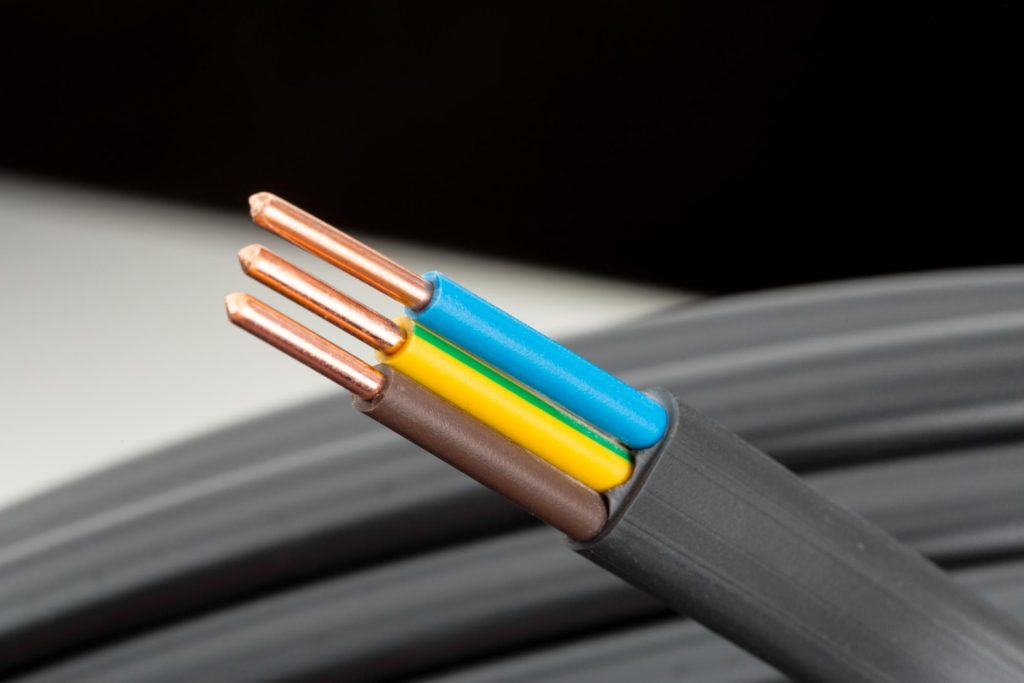
Copper vs. Aluminum Cables – Which is Better?
When it comes to choosing cables, one of the most debated questions is: Copper or Aluminum? Both metals are widely used in cable manufacturing, and each has unique strengths. To make the right choice, industries must consider performance, cost, and application requirements.
At Neskeb, we specialize in both copper and aluminum cables. Let’s compare them side by side.
1. Copper Cables
Copper has been the gold standard for electrical conductors for decades.
- High Conductivity – Carries more current with less energy loss.
- Durability – Resistant to corrosion and wear.
- Flexibility – Can handle frequent bending without breaking.
- Reliability – Long lifespan with stable performance.
✅ Best for: Data centers, critical industries, and applications requiring maximum reliability.
2. Aluminum Cables
Aluminum cables are lightweight and cost-effective, making them popular for certain applications.
- Lightweight – Easier to transport and install.
- Lower Cost – More affordable compared to copper.
- Good Conductivity – Though not as high as copper, aluminum works well for large-scale power transmission.
✅ Best for: Power grids, overhead lines, and long-distance electricity transmission.
3. Comparison Table
| Feature | Copper Cables | Aluminum Cables |
|---|---|---|
| Conductivity | Very High | Moderate |
| Weight | Heavier | Lightweight |
| Cost | Expensive | Affordable |
| Flexibility | Excellent | Moderate |
| Lifespan | Very Long | Good |
4. Which One Should You Choose?
- For critical industries (hospitals, IT, aviation): Copper is the safest choice.
- For large-scale power transmission where weight and cost matter: Aluminum is ideal.
- Hybrid Approach: Some industries use a mix of copper and aluminum to balance performance and cost.
Conclusion
There’s no one-size-fits-all answer. Both copper and aluminum cables have their advantages. The right choice depends on your project’s budget, application, and safety requirements.
At Neskeb, we manufacture both copper and aluminum cables, ensuring the best match for your needs.